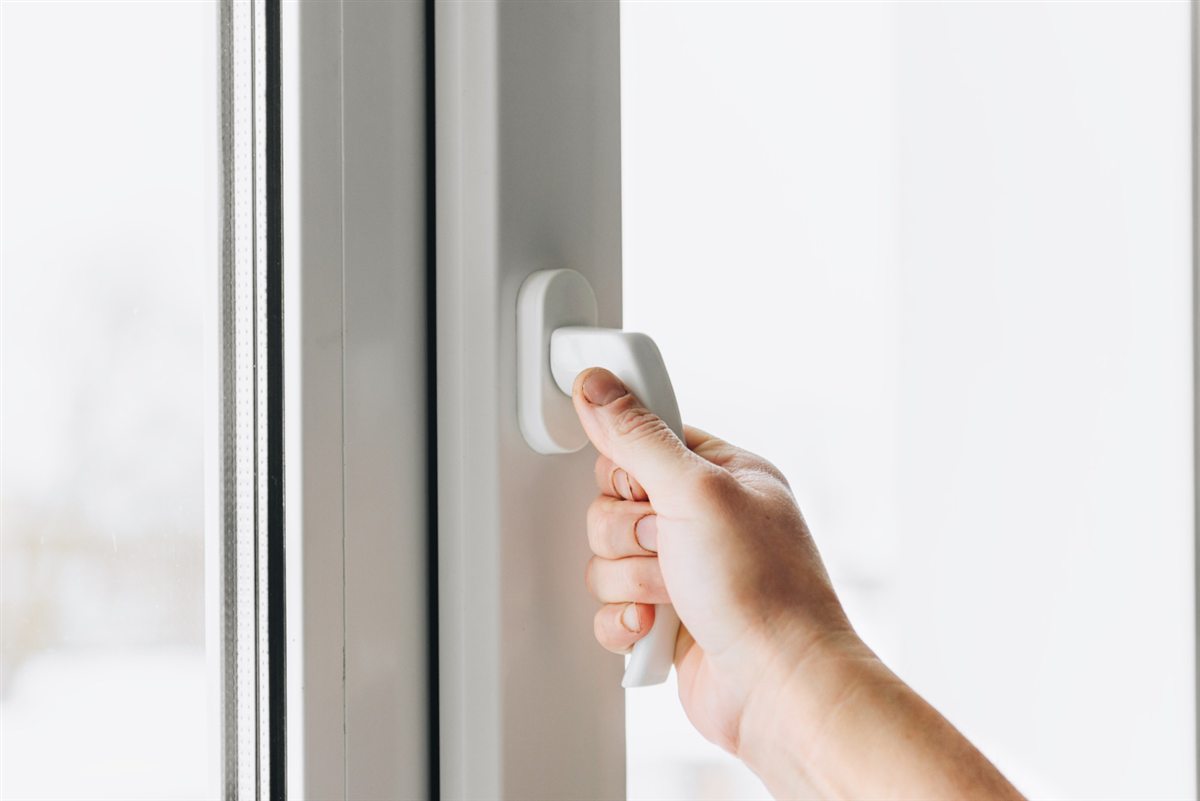
A control that looks perfectly convenient on a display wall can become awkward above a kitchen counter. Conversely, a motor may add little value to a low window that is opened once in the morning and closed at night. Begin the choice between manual and motorised louvre windows with the person who will operate them. Reach, grip, furniture placement and daily routine are more informative than a feature list.
Try the manual system at a realistic height if a demonstration is available. Operate it through its normal range and check whether the person using it can do so comfortably. Do not stand on a chair to make a difficult handle seem manageable. If the proposed position requires an unsafe workaround, reconsider the controls or location before the window is ordered.
When a manual handle makes sense
A manual arrangement can suit accessible openings where residents can reach the controls easily. There is no motor supply to coordinate, and the operating routine is straightforward. Even then, handle clearance needs checking against taps, curtains and furniture. Confirm the mechanism included in the quotation, because operating force and handle positions can differ between systems.
Manual does not mean maintenance-free. Handles, linkages and other moving parts still need the care specified for the product. At handover, ask what normal operation should feel like and what to do if movement becomes stiff. Forcing a reluctant mechanism is not a sensible maintenance plan. Keep the model information with the supplier's contact details so replacement components can be identified later.
Where a motor offers a practical benefit
High stairwell openings, windows behind fixed fittings and groups of windows used frequently are situations where powered controls may be helpful. The benefit is consistent access: people can operate the opening without reaching across obstacles. This can support the intended ventilation arrangement when awkward controls would otherwise discourage everyday use.
Optima Window's supplied product description identifies remote operation for its 11a series. That establishes an option to ask about, but the final quotation should identify the actual drive and control arrangement being supplied. Check whether individual windows can be operated separately and how users recognise which control belongs to which opening. A demonstration is especially useful when several windows share a room.
Ask the power questions before the wall is finished
Have the window supplier specify the power and wiring requirements for the selected system. Then coordinate them with the electrician before plastering or other finishes conceal the route. Do not assume every motor accepts the same supply or that the installer will include electrical work automatically. Identify responsibility for cable routing, connection, testing and any access panels.
Also ask what happens during a power interruption. Is there an approved way to operate the window, and can the homeowner access it? The answer depends on the product. Remote control, battery backup, app access and rain sensing are separate features; none should be inferred from the presence of a motor. Record any required function explicitly in the order instead of relying on a sales conversation.
Servicing remains a physical job
A high window may be easy to operate from the floor but still difficult to service. Ask where the drive and control components sit, how they are reached and whether replacing a component requires removing surrounding finishes. The access arrangement needs to work after curtains, cabinets and other permanent fittings have been installed.
Request separate information on product coverage and attendance costs. A replacement part being covered does not necessarily mean specialist access equipment or every labour cost is included. Clarify who diagnoses an electrical fault and who handles a window mechanism fault. The louvre installation checklist provides a place to capture these responsibilities before multiple contractors become involved.
Compare the complete experience
Price both choices against the same opening and blade specification. For the motorised option, include controls, electrical preparation, installation, commissioning and ongoing access needs. For the manual option, confirm that the final handle location remains convenient. A lower initial total is not persuasive if the household cannot comfortably use the window in its intended position.
An aluminium louvre supplier in Malaysia should help connect the operation choice with the specific rooms, rather than treating automation as a necessary upgrade everywhere. A mixed arrangement may be reasonable: accessible windows operated manually and difficult openings fitted with powered controls. Ask whether that combination is available and how it affects the overall order.
Before accepting the installation, operate every control yourself. Check the correct window responds, the full movement is unobstructed and other household members understand the procedure. Store remotes and instructions where they can be found easily. The value of either system comes from reliable everyday use, so a short, hands-on demonstration belongs in the handover.
Frequently Asked Questions
Does a remote-controlled louvre close automatically when it rains?
Only if the quoted system includes a compatible sensing and control arrangement. A wireless remote by itself does not establish automatic weather response.
Who should arrange the electrical connection?
Agree this before installation. The window supplier should provide the system requirements, and the appointed electrician should coordinate the appropriate connection and testing.
Can existing manual louvres be converted later?
Compatibility depends on the frame, mechanism and available components. Ask the original supplier about an approved conversion before planning a future retrofit.
What should I test at handover?
Try each control, check window identification and unobstructed movement, and ask for the approved procedure during a power interruption or control failure.