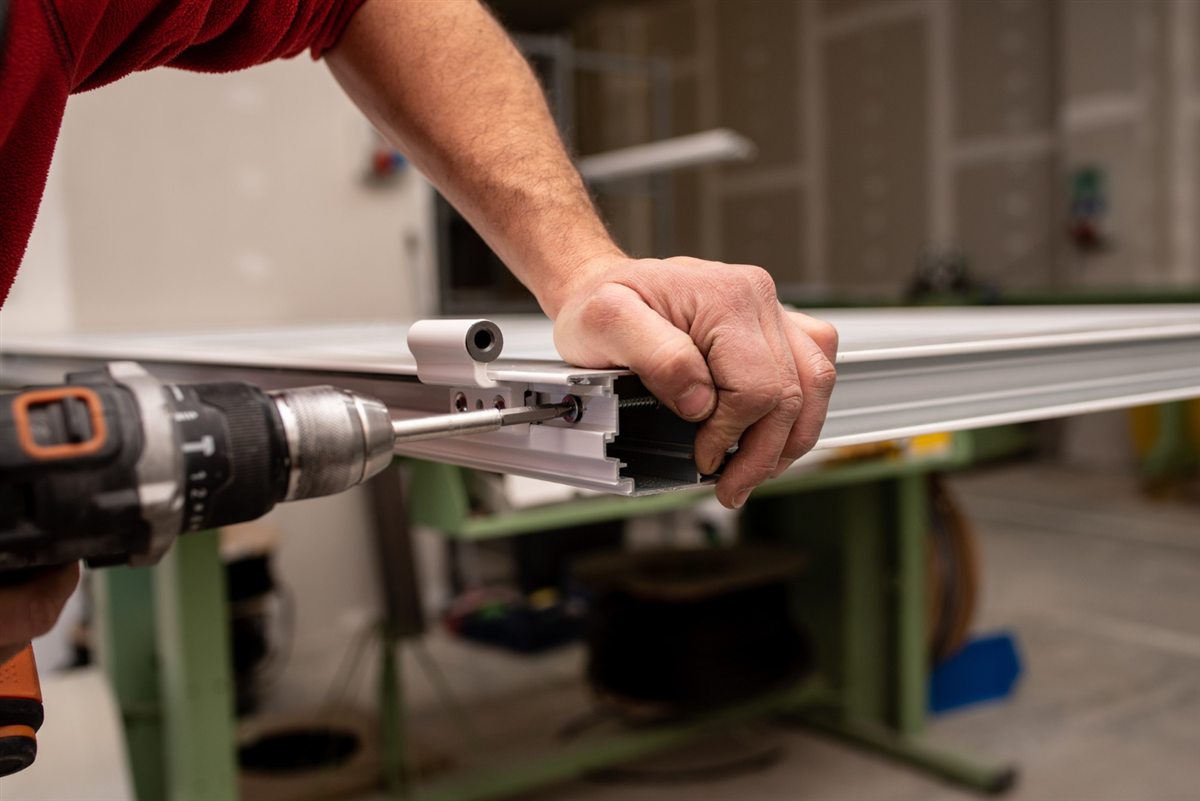
Most homeowners compare windows by looking at the finished frame. Installation problems often begin somewhere less visible: an uncertain opening dimension, an unfinished wall, a cable route nobody agreed on or a quotation that leaves plaster repairs to someone else. A written sequence helps turn the product choice into a manageable renovation task. It also gives every contractor the same reference point.
Use a separate entry for each opening. Identify it by room and position so a conversation about the kitchen window cannot be confused with another similar opening. Keep photographs, measurements, the agreed specification and any revisions together. When a decision changes, update the record and obtain confirmation before work proceeds. Verbal changes are easy to misunderstand when several windows are being made together.
Before the supplier measures
Explain whether the walls and finishes are staying as they are or changing during renovation. New tiles, plaster or cabinetry may affect the finished relationship between the opening and surrounding surfaces. The installer needs to know what condition the opening will be in when the frame arrives, including who is preparing it and when that work will be complete.
Describe access to both sides of the window. Upper floors, tight side passages and stairwells can require different working arrangements from an accessible ground-floor wall. Ask the contractor to plan suitable access and protection for occupied areas. If removing the existing window leaves the home exposed, agree the sequence and any temporary closure arrangements before the removal date.
At the measurement visit
Have the supplier take responsibility for the final dimensions used for manufacture. Approximate homeowner measurements are useful for early discussions, but should not silently become the production sizes. Ask how the opening condition, frame depth and surrounding clearances have been accounted for. The installer should identify any preparation needed before manufacturing is released.
Operate a sample or review the opening diagram so the direction and range of movement are understood. Check for conflicts with taps, shelving, curtains and screen frames. Where the system includes a casement action as well as adjustable blades, both movements need clearance. Mark the proposed handle location and make sure the intended users can reach it comfortably.
Before signing the order
List the selected blade material, frame finish, controls and screen arrangement against each opening. For the bigger buying decision, the aluminium louvre supplier guide explains how to compare the scope across quotations. At this stage, the purpose is to remove ambiguity from the particular order you are about to approve.
Confirm what the price includes: existing-frame removal, waste handling, installation, perimeter finishing and repairs to plaster or paint. For powered windows, separate the window supplier's work from the electrician's work. The manual and motorised control comparison covers questions about power, operation and service access that need answers before cables or components become concealed.
Ask for the expected manufacturing and installation sequence, including any dependencies on other trades. A promised date is difficult to assess without knowing whether the opening must first be prepared. If a selected finish or component becomes unavailable, require agreement on the replacement before it is installed. Similar appearance does not necessarily mean an identical operating specification.
During fitting and finishing
Use the manufacturer's installation instructions and the agreed project details as the reference. The installer should manage alignment, fixing, sealing and drainage details appropriate to that system and opening. Homeowners should avoid prescribing a generic fixing or sealant method from an unrelated window. The contractor is better placed to identify the method required for the actual assembly.
Keep access available for inspection before surrounding finishes conceal important details. If unexpected damage or an unsuitable opening condition is uncovered, document it and agree the remedy. Also check that screens and handles remain usable after nearby work is finished. The privacy and screen planning discussion explains why those components should be considered part of the working assembly.
Before final acceptance
Operate every opening through its intended range and check that adjacent fittings do not interfere. Ask the installer to demonstrate normal closing and locking, and try it yourself. Check the visible finish, glazing or blades against the order and record any outstanding defects with photographs. Agree the completion date for remaining work rather than relying on an informal promise to return.
For a powered system, test each control and request the approved procedure for a power interruption or fault. Obtain cleaning instructions, warranty documents, model details and a service contact. Ask how any specified weather or operational checks will be performed by the installer. Avoid improvising an aggressive water test that the manufacturer has not recommended.
Once the work is accepted, retain the records in one place. They help identify replacement components, explain the installation to a future service technician and make warranty enquiries easier. A clear handover is a useful final part of the purchase: it gives the household the knowledge needed to operate and care for the windows after the installers leave.
Frequently Asked Questions
Are my own opening measurements enough for manufacture?
Use them for an initial enquiry, then have the supplier confirm the final manufacturing dimensions and opening condition on site.
Who repairs paint or plaster around a replacement window?
It depends on the agreed scope. Identify the responsible contractor and include the work in the quotation or renovation schedule before removal begins.
What if the supplied finish differs from the approved sample?
Record the difference and raise it before accepting the work. Refer to the written order and approved sample when agreeing a resolution with the supplier.
Which documents should I keep after installation?
Keep the final order, model and component details, invoice, warranty terms, cleaning instructions, photographs and any outstanding-work record. Include control instructions for motorised systems.