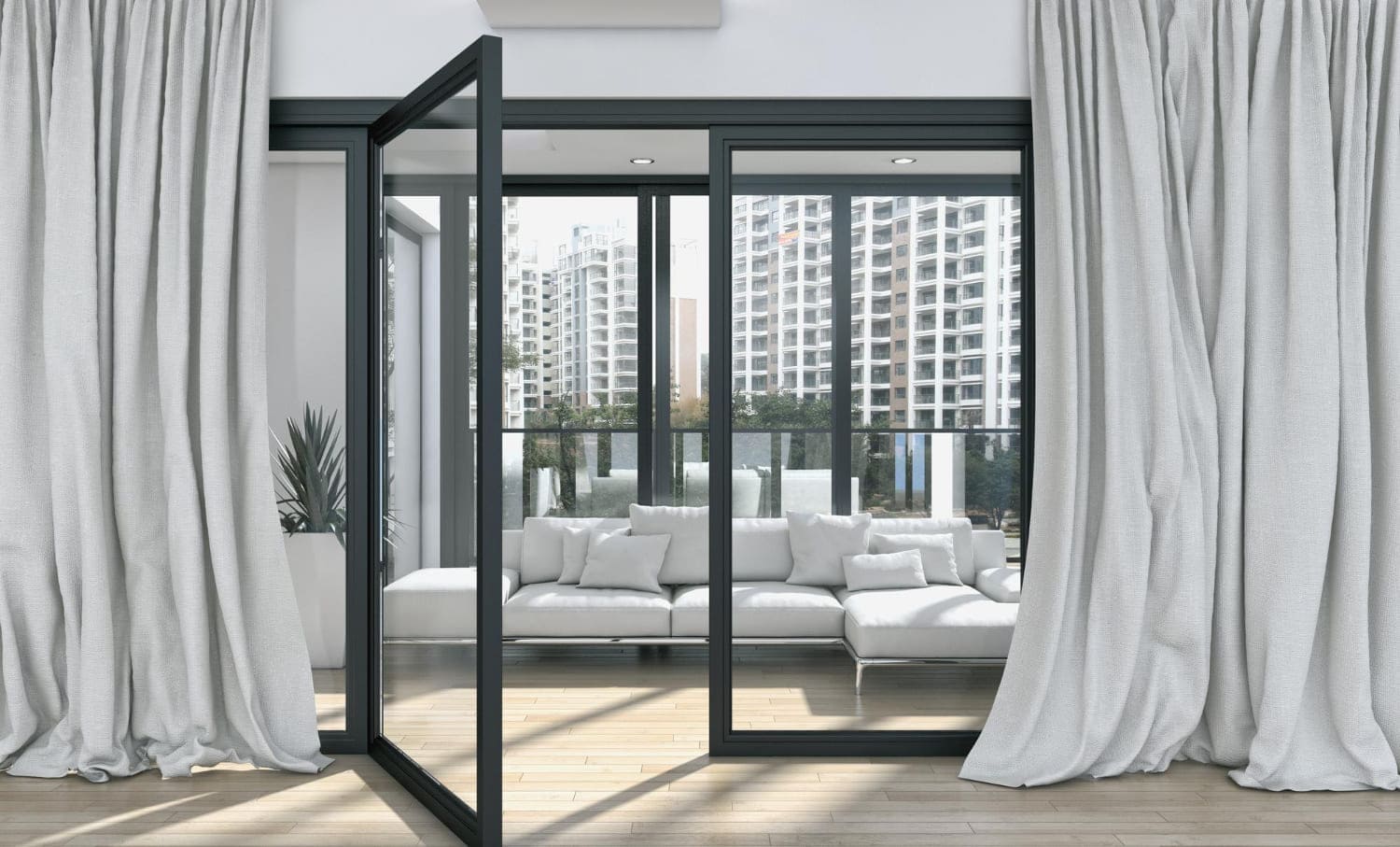
Design is often the first thing buyers notice when comparing aluminium swing doors, but it is rarely only about appearance. The design of the door influences how the entrance feels, how much light moves into the interior, and whether the home reads as warm, minimal, modern, or more architectural. That makes design an important practical choice as well as a visual one.
For landed homes in Malaysia, aluminium swing door design often sits between two goals. One is visual clarity: the buyer wants the entrance or interior connection point to feel clean, balanced, and well considered. The other is livability: the door should still feel comfortable to use, suit the scale of the home, and work with the surrounding materials instead of looking isolated from them.
The focus here is on the design side of the wider aluminium swing door supplier Malaysia decision. It is especially useful for buyers who already know they want an aluminium swing door, but need more clarity on how style, framing, glass, and finishing will shape the final result.
Why design affects the whole space
A swing door sits at an important visual point in the home. It may define an entrance, separate an indoor and outdoor edge, or connect internal spaces in a way that affects openness and privacy at the same time. That is why design choices often influence more than the door itself. They shape how the surrounding area feels when light enters, when the frame is seen from a distance, and when the material sits alongside flooring, wall finishes, and nearby windows.
Buyers often realise this once they compare a heavier look with a lighter one. A door with more glass can create a more open feeling, while a stronger framed look may feel more grounded or private. Neither is automatically better. The stronger choice usually depends on the home's character and what the buyer wants the space to communicate.
What buyers usually compare in design planning
Most buyers compare frame style, glass presence, finish tone, and how modern or warm the result feels. Some want the aluminium framing to look minimal and contemporary. Others prefer a finish that softens the metal look so the door feels more connected to the rest of the house. These choices are often closely tied to finish comparison and customization options, because the final design usually depends on both.
Design planning also overlaps with function. The buyer still has to think about privacy, security, and daily use, which is why some continue into security-focused reading after they are clearer on the visual direction.
Why balance matters more than trend
It is easy to be drawn toward a door because it looks modern in isolation, but a strong design choice usually feels balanced within the actual home. A good aluminium swing door design should not feel pasted onto the property. It should feel like it belongs there. That sense of balance often matters more than whether a design feels especially dramatic or trend-led.
Buyers usually feel more satisfied when the door supports the overall mood of the home rather than competing with it. That may mean choosing a cleaner frame, a warmer finish, or a glass option that allows enough light without making the space feel exposed.
Where good design and practical living meet
The best door designs usually succeed because they work beautifully in normal life. They look good, but they also feel natural when opened, seen from inside, and experienced over time. That is what makes design comparison worth doing carefully instead of treating it as a cosmetic decision at the end of the buying process.
Design planning also becomes easier when buyers think about what they want the door to do emotionally in the space. Some entrances should feel impressive and defined, while others should feel light, calm, and unobtrusive. Those emotional differences are often subtle, but they shape satisfaction over time more strongly than many buyers expect when the choice is first being made.
FAQ
Why does door design affect more than appearance?
Because it also shapes light, openness, privacy, and how the surrounding space feels when the door becomes part of daily living.
What design details do buyers usually compare first?
They often compare frame style, amount of glass, finish tone, and whether the overall look feels minimal, warm, modern, or more architectural.
Should design be reviewed separately from function?
No. Design choices often work best when they are considered alongside privacy, security, and everyday movement through the space.
What related topic is useful after design planning?
Many buyers continue into finish comparison, customization, or security reading depending on which practical questions still need to be resolved.
Why can a trendy design still feel wrong in the home?
Because a visually striking option may still feel mismatched if it does not suit the scale, materials, and overall atmosphere of the property.