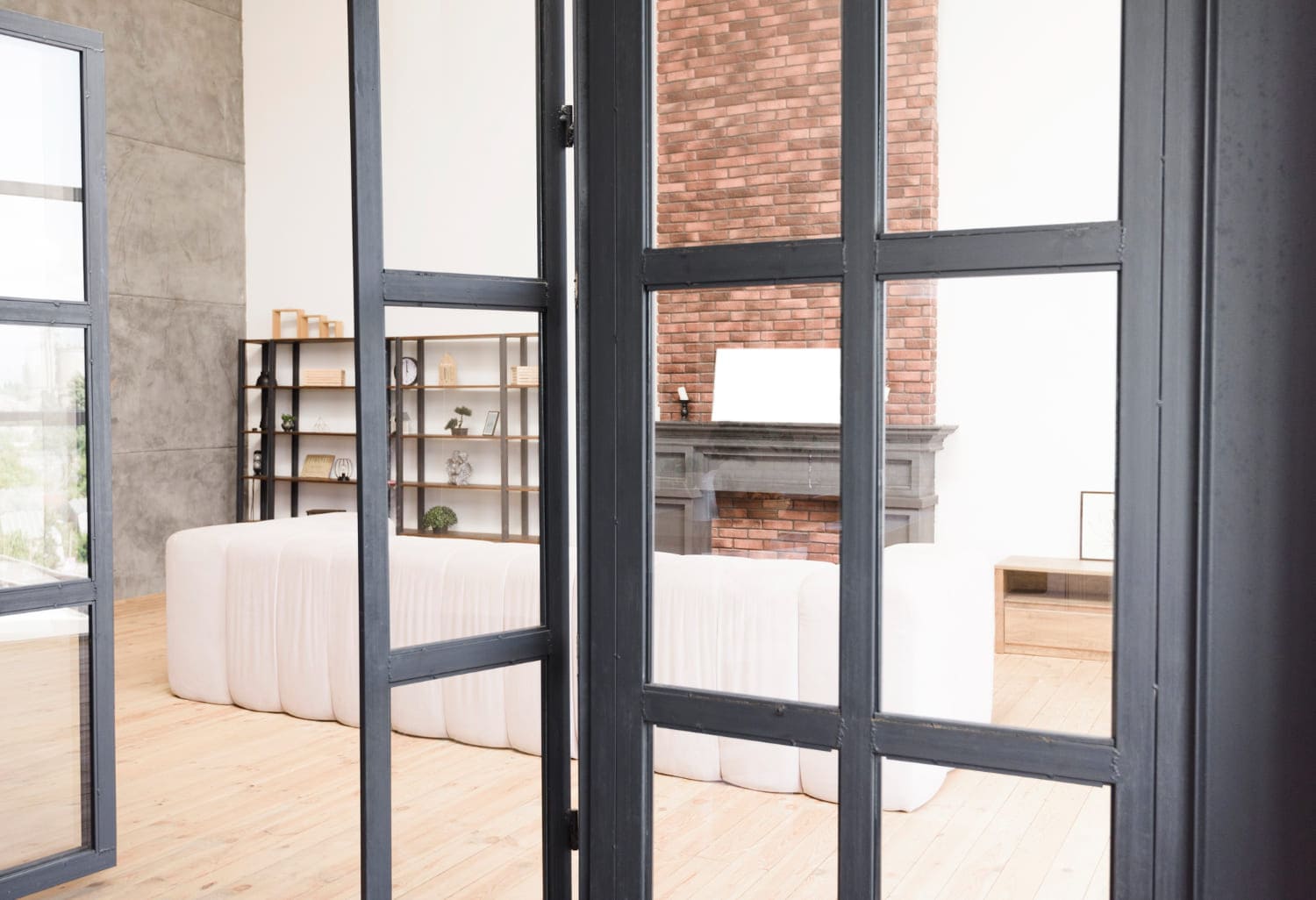
Security is one of the first reasons buyers take aluminium swing doors seriously, especially when the door will be used at a main entrance or another highly visible access point. The conversation usually goes beyond whether the door simply locks. Buyers want to know whether the whole system feels reassuring: the frame, glass, hardware, and overall construction should work together to create confidence rather than relying on one advertised feature alone.
That is why security comparison often becomes more detailed than expected. A swing door can look elegant and modern, but buyers usually feel more certain when the design also supports stronger locking confidence and a more solid sense of protection. For landed homes in Malaysia, this matters because the door often plays both a practical and psychological role. People want the entrance to look right, but they also want it to feel secure every time it is used.
The subject fits inside the wider aluminium swing door supplier Malaysia decision, but it narrows the focus to security-related thinking. Buyers who already know they want a swing door often come here to understand whether the security side of the system feels strong enough for their needs before they decide on design or finish details.
Why buyers compare the whole security system
Many people begin by looking at locks, but the stronger comparison usually includes more than the lock alone. Frame strength, glass choice, sealing quality, and how firmly the system feels assembled all help shape security confidence. A strong lock matters, but buyers often feel better when the entire door system appears designed to support the same standard.
That is also why security should not be treated as a separate technical box to tick after the visual design is chosen. If the security elements feel mismatched or secondary, the buyer may be less comfortable with the door even if the appearance is strong.
What buyers usually want to feel confident about
Most buyers want confidence in locking systems, glass protection, and whether the door feels sturdy in normal daily use. Laminated glass often becomes part of the discussion because it changes how buyers think about safety and intrusion resistance. Hardware quality also matters because the user experience of the door influences whether security feels dependable or merely promised.
Security comparison often leads naturally into a broader door-selection checklist or into design planning, because buyers still need to decide how security priorities should sit alongside appearance and layout.
Why reassurance matters as much as specification
Homeowners do not experience security as a specification sheet. They experience it as reassurance. A door that feels stable, closes confidently, and looks like it belongs in a well-considered entrance usually gives stronger peace of mind than a product that only lists technical features without creating that same sense of trust in real use.
This is one reason buyers often spend time comparing how the door feels as a whole system rather than asking only which lock brand or glass type appears on the spec. Security is partly technical, but it is also emotional. The product needs to support both.
How security choices affect the final buying decision
For some buyers, security is the main deciding factor. For others, it is one of several factors that must be balanced with finish, design, and customization. Either way, it tends to become easier to compare once buyers stop treating it as a small sub-detail and start seeing it as one of the central reasons they may choose one supplier over another.
Security comparison also becomes more useful when buyers think about how the door will be experienced by the people living with it. A secure entrance should not only resist problems in theory. It should also feel controlled, solid, and reassuring in everyday opening and closing. When a product provides that feeling consistently, buyers often become much more comfortable with the final decision.
This is why security-focused buyers often spend more time than expected on details that seem minor at first. The better the whole system feels together, the easier it becomes to believe the door is genuinely suited to its role in the home.
FAQ
What security details do buyers usually compare first?
They often begin with locking systems, glass type, and whether the overall frame and hardware feel strong enough for the role of the door.
Why is laminated glass often part of the discussion?
Because it changes how buyers think about safety, breakage resistance, and whether the door feels more protective in everyday use.
Is a strong lock enough on its own?
No. Buyers usually feel more confident when the whole system, including frame, glass, and hardware, appears designed to support the same security standard.
What related topic is often useful after security comparison?
Many buyers go next into design planning or a broader selection checklist so they can judge security together with appearance and daily practicality.
Why does security still matter so much when the door is mainly chosen for design?
Because the entrance must still feel dependable in daily life, and a beautiful door can feel incomplete if it does not also inspire confidence and peace of mind.