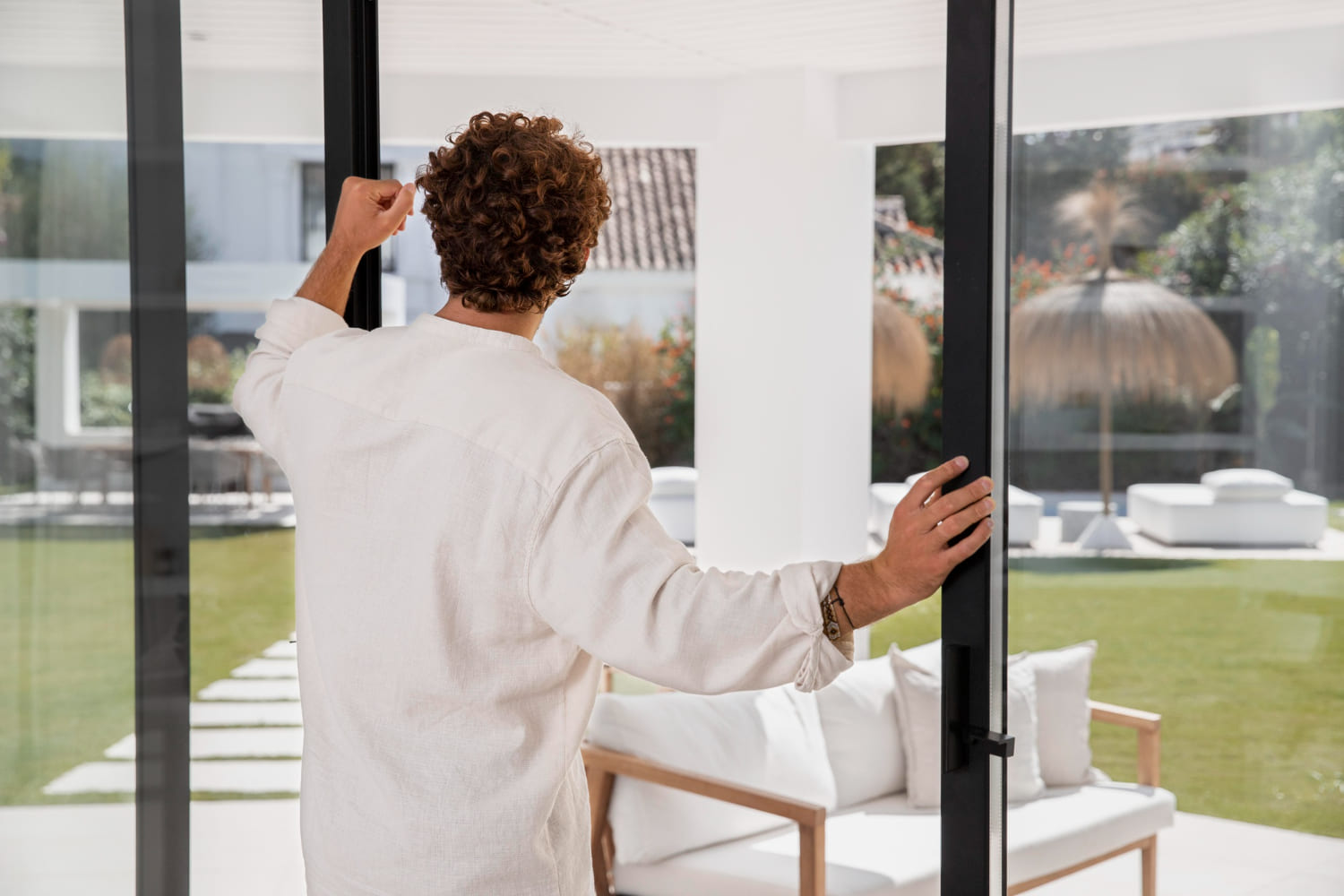
Customization often becomes important once buyers realise that a swing door is expected to do more than close an opening. It should fit the scale of the home, match the intended look, and feel deliberately chosen rather than merely available. That is why customization can matter so much in aluminium swing door planning. It gives buyers more control over proportion, finish, glass choice, and the overall way the product sits in the property.
For landed homes in Malaysia, this matters because not every entrance or internal opening feels standard in design terms. Some homes need a stronger visual statement. Others need a cleaner fit with surrounding windows, walls, or renovation plans. Customization helps bridge the gap between a general product system and the more specific result the buyer wants to live with every day.
A closer look narrows one part of the broader aluminium swing door supplier Malaysia conversation. Buyers who already know they want an aluminium swing door often arrive here when they are trying to understand how far they should personalize the product and which customization choices actually make a visible difference.
Why customization changes how intentional the door feels
A standard-looking door can still work well, but buyers often respond more strongly when the finished result feels proportionate to the home and clearly aligned with the surrounding design. Customization helps create that sense of intention. The door looks less like a generic insertion and more like part of the architecture or renovation plan.
That is one reason customization is closely tied to design satisfaction. It is not always about making the product more complicated. Sometimes it is about making the final result feel more natural and better resolved.
What buyers usually customize first
Most buyers start with size, finish, glass preference, and whether the overall look should feel lighter, more private, or more decorative. Some want a simpler, full-glass feel. Others want more structure, additional detailing, or a finish that matches nearby elements in the home. These choices often overlap with design planning and finish comparison, because customization usually works best when those decisions are made together.
Customization also affects daily use. The way the door opens, the amount of visible glass, and the feeling of the frame can all shape how the product is experienced in normal life rather than only in presentation images.
Why customization should still stay practical
More options do not always mean a better result. Buyers usually benefit most when customization stays connected to a clear purpose. The door should still suit the home, the daily movement around it, and the wider balance between appearance and usability. When customization becomes too decorative without supporting those goals, the final choice can feel less convincing than expected.
That is why buyers often return to a broader checklist even after exploring customization. The custom details should strengthen the product choice, not replace good decision-making.
How customization supports a more complete buying decision
When used well, customization helps the buyer turn a general product category into a more personal and suitable result. It allows the door to feel aligned with the home rather than simply fitted into it. That is why customization often matters most in the final stages of comparison, when the buyer is refining the choice rather than deciding whether aluminium swing doors are suitable at all.
Customization can also help buyers solve visual problems that standard products do not always address well. In homes where the entrance needs a more balanced proportion or a particular relationship with nearby windows and finishes, a more tailored approach can make the whole area feel more resolved. That kind of improvement is often noticed immediately once the door is in place.
At the same time, customization should still serve the real use of the door. Buyers usually get the best results when the adjustments help the product feel both more personal and more practical, rather than simply more complicated.
This is why customization often becomes one of the final steps in refining the decision rather than the first. Once the broader product direction is already clear, the custom details can strengthen the result without pulling it away from the real needs of the home.
FAQ
What do buyers usually customize first on an aluminium swing door?
They often begin with size, finish, glass choice, and the overall balance between openness, privacy, and visual detail.
Why does customization matter so much in landed homes?
Because the entrance or opening often has a strong visual role, and buyers want the door to feel proportionate and intentionally matched to the property.
Can too much customization weaken the decision?
Yes. If customization drifts too far away from practicality, the final result can feel less convincing than a simpler option that suits the home more naturally.
What related topic usually helps after reviewing customization?
Many buyers return to broader selection criteria or compare finish and design choices again so the custom decisions stay grounded in the full buying picture.
Does customization only affect appearance?
No. It can also affect privacy, light, movement, and how natural the door feels in daily use once it becomes part of the home.