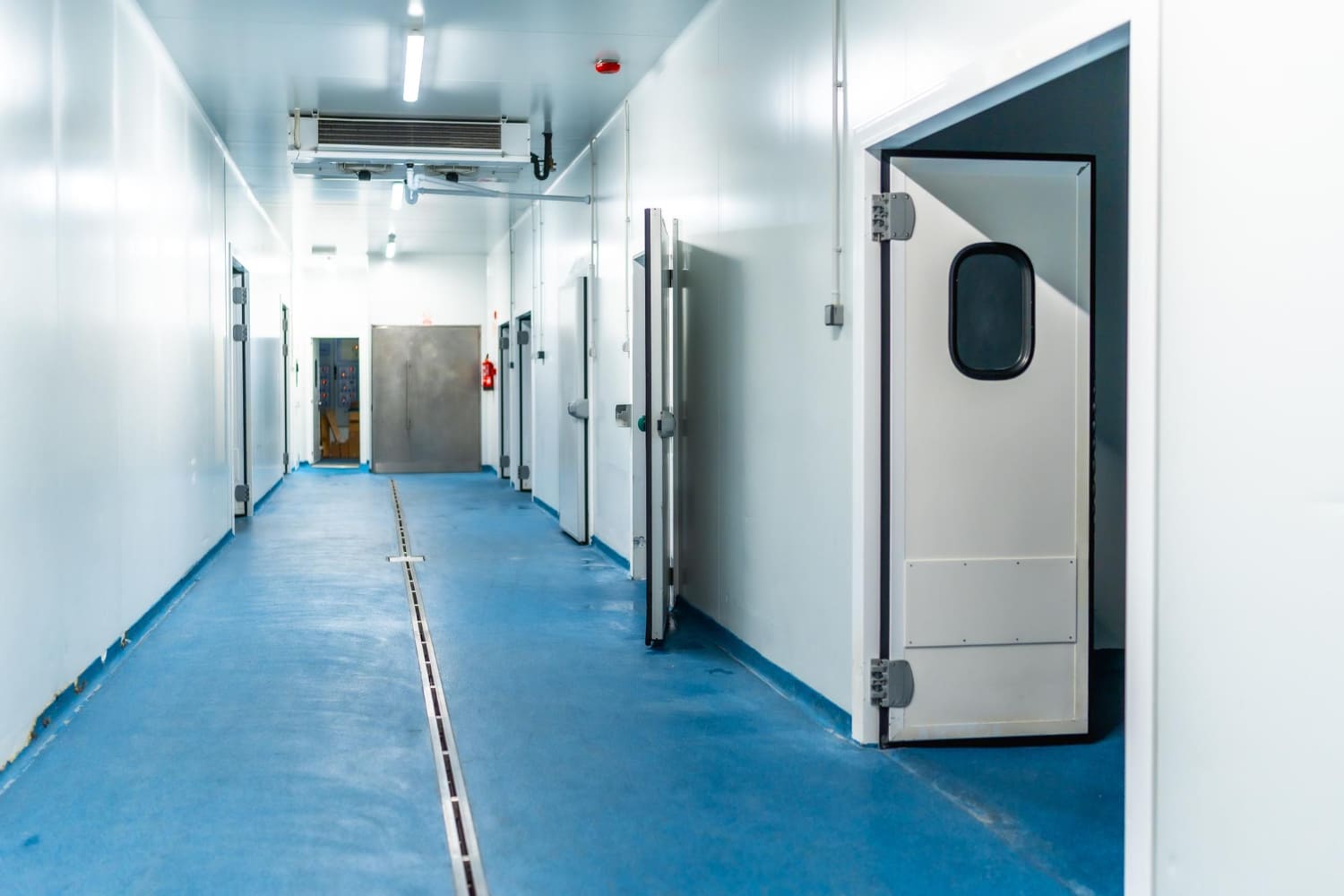
Cold room Malaysia projects usually begin with a simple question: what needs to stay fresh, stable, or protected from heat? From there, the planning quickly becomes more practical. A cold room for seafood does not behave like a room for medicine. A walk-in freezer is not judged the same way as a chiller room for vegetables, beverages, or dairy products. Each room has its own temperature target, loading pattern, cleaning routine, and space constraint.
That is why buyers often compare more than the cold room box itself. They look at insulated panel thickness, refrigeration reliability, door access, shelving, lighting, and whether the room can be installed without making the surrounding operation difficult. A good cold room should feel like part of the business workflow, not a separate technical object that only looks correct on paper.
For readers comparing a supplier example, this cold room Malaysia reference shows how a modular cold room can combine camlock panels, refrigeration, lighting, and shelving into a more complete storage setup.
What buyers usually compare first
The first comparison is usually temperature. Chiller rooms commonly support goods that need cool storage above freezing, while freezer rooms support products that need deeper low-temperature protection. Once that decision is clear, buyers can compare internal volume, product loading, door opening frequency, and how much space is available at the site.
The next comparison is panel and refrigeration fit. Polyurethane insulated sandwich panels are often discussed because thermal performance matters in temperature-controlled rooms. Refrigeration design also matters because a room is only useful if it can pull down temperature properly, recover after door openings, and operate reliably during busy periods.
Why modular design matters for smaller commercial spaces
Many businesses need cold storage but do not have unlimited space. Restaurants, food processors, seafood traders, florists, pharmacies, and beverage distributors may need a walk-in room that fits an existing floor plan. Modular cold room systems are useful because they can make installation more structured and help buyers think about room size, shelving, and access before the site becomes crowded.
Built-in lighting helps staff move safely inside the room. Shelving makes the internal space more usable. A camlock panel system can help installation feel more controlled. If the room can be dismantled or relocated later, that may also matter to businesses that expect layout changes.
Applications that shape the cold room decision
Food and healthcare storage needs often create different priorities. Meat, seafood, vegetables, and dairy products usually place attention on freshness, hygiene, loading volume, and reliable daily access. Medicine, flowers, and other sensitive goods may place more attention on stable conditions, careful handling, and avoiding unnecessary temperature swings.
A cold room should not be chosen only by size. Buyers should think through what is stored, how often staff enter the room, whether goods arrive in batches, and how quickly products need to move out again. The same internal volume can feel very different when the workflow changes.
How cold room planning connects with panel systems
Cold room planning also connects naturally with insulated panel decisions. Buyers who already understand insulation panels system Malaysia basics will usually find it easier to compare panel thickness, thermal performance, and installation method. For deeper panel comparison, cold room panel Malaysia planning explains why polyurethane sandwich panels remain common in temperature-controlled rooms.
A cold room becomes easier to judge when the buyer connects storage purpose, room build-up, refrigeration, and daily operating habits. That balanced view helps prevent both overbuying and under-specifying. The goal is not simply to own a cold room. The goal is to keep goods in the right condition while making the storage process easier for the people who use it every day.
The buying decision also becomes stronger when the team lists practical constraints early: doorway width, ceiling clearance, electrical access, drainage, loading route, and the number of staff who will use the room during peak hours. These details may feel ordinary, but they often decide whether the room works smoothly after installation.
FAQ
What is a cold room usually used for in Malaysia?
It is commonly used for temperature-controlled goods such as meat, seafood, vegetables, medicine, flowers, beverages, dairy products, and other items that need stable cool or frozen storage.
What is the difference between a chiller room and a freezer room?
A chiller room keeps goods cool above freezing, while a freezer room holds goods at lower temperatures for frozen storage. The right choice depends on the product and storage requirement.
Why do insulated panels matter in cold room planning?
They help the room hold temperature more steadily, reduce unwanted heat transfer, and support better overall storage performance when matched with the right refrigeration setup.
Should buyers compare shelving and lighting too?
Yes. Shelving and lighting affect how staff use the room every day, especially when products need to be loaded, checked, picked, or rotated regularly.