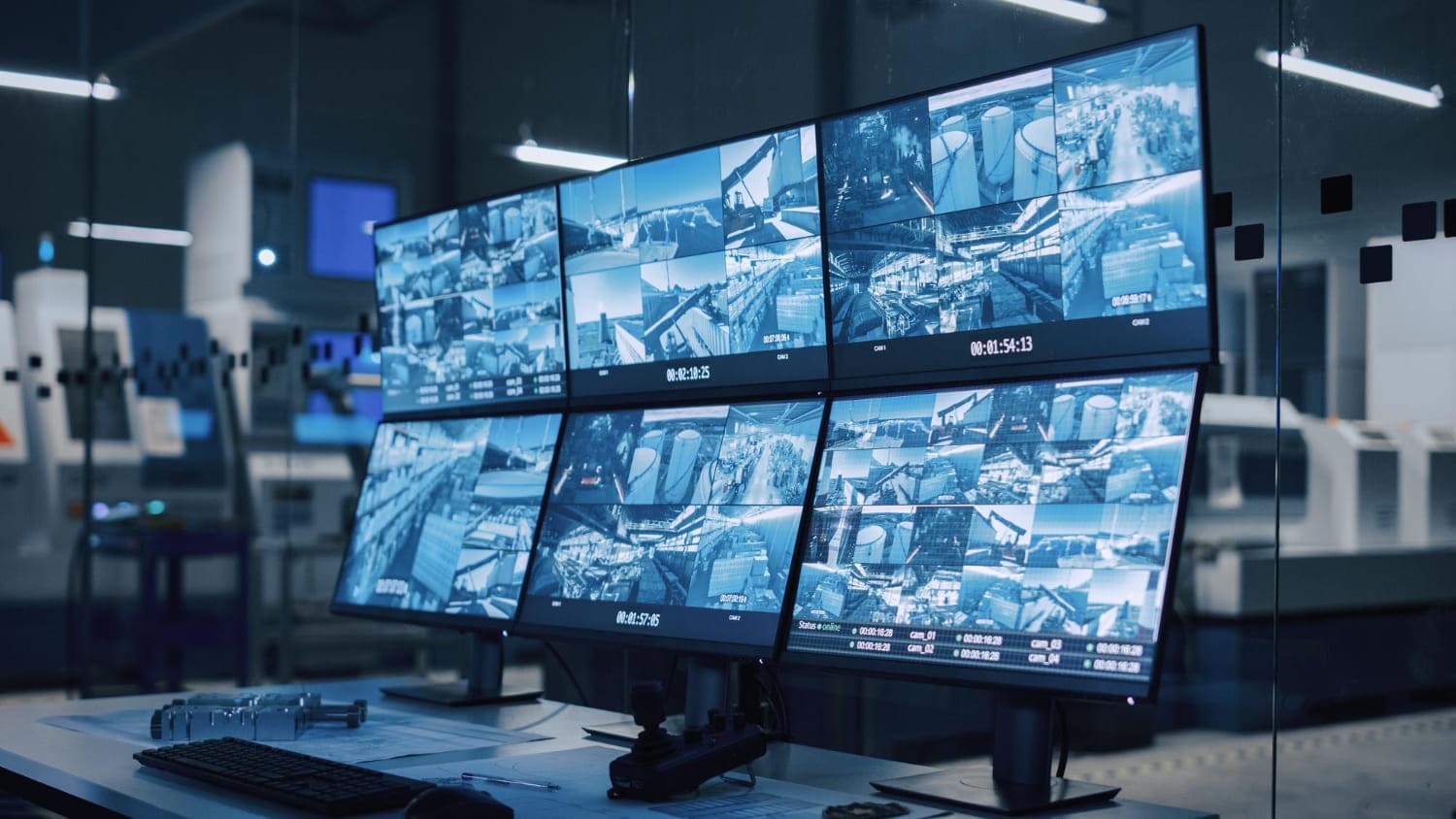
RTU telemetry becomes especially important when water monitoring depends on field sites that cannot be watched locally all the time. Buyers usually look at the subject when they need reliable flow of status information from remote assets back to a central operating view.
That is why the subject sits naturally under the main SCADA system Malaysia article. SCADA gives the supervisory view, but remote telemetry often helps supply the field information that makes that view useful in the first place.
Why RTU telemetry matters in practice
In many water environments, operators need to know what is happening across dispersed sites without standing at each location. RTUs and telemetry support that by helping signals, status, and monitoring information travel back from the field in a more usable way.
This makes the discussion more field-communication focused than a broad SCADA article. Buyers often want to understand how remote monitoring actually happens, what role telemetry plays, and how well it supports awareness across water infrastructure.
How buyers usually frame the comparison
Most readers compare telemetry on the basis of remote visibility, operational awareness, and how well the field-side information supports faster supervision from the centre. The issue is usually less about abstract digital systems and more about whether the right information reaches the right place in time.
That is why the subject also connects naturally with SCADA for water utilities. Telemetry helps support the remote information flow, while SCADA helps bring the wider picture together.
Why that support angle matters
The main SCADA page explains the broader supervisory layer. The focus here explains one of the practical building blocks that often makes remote monitoring possible in utility environments.
It is useful for readers who already understand that central visibility matters, but still want a clearer picture of how information moves in from remote sites and why that matters so much in water monitoring.
Why field-side information matters so much
Remote monitoring only becomes useful when field information arrives in a way that supports action. Buyers often focus on this because poor field visibility can make central monitoring feel incomplete, even if the SCADA side looks strong.
That is why telemetry is so often discussed with water infrastructure. It supports the practical movement of information from remote assets into a more usable operating view.
That role becomes even more important when remote sites are part of a larger network rather than isolated stand-alone assets. In those situations, teams are not only checking whether a site is active. They are also trying to understand how field conditions relate to other parts of the system and whether a change at one location is part of a wider pattern.
Telemetry therefore supports more than awareness of individual assets. It helps create the continuity between scattered field points and the central team that has to interpret those points as part of one operating environment.
How the subject supports the wider cluster
The main SCADA page explains the broader supervisory layer. The focus here helps readers understand one of the field-side mechanisms that often makes supervisory visibility possible in the first place.
It is particularly useful for readers who need to connect remote-site awareness with central decision-making rather than thinking about monitoring as one flat system.
Readers who want to keep following that chain usually compare the subject with water-utility SCADA and then with smart-water digitalisation, because the wider value of telemetry becomes clearer when it is placed inside a broader monitoring and utility-improvement discussion.
Key points buyers often review
- remote asset visibility from the field to the centre
- operational awareness across distributed water infrastructure
- fit between telemetry flow and wider SCADA monitoring
Looking at those points together helps buyers understand why RTU telemetry is often treated as a practical enabler of remote water monitoring rather than as a separate isolated topic.
That also shows why telemetry is tied so closely to operational trust. When field information arrives clearly and consistently, the central team can respond with better confidence instead of relying on an incomplete picture of remote conditions. That added confidence is often what gives remote monitoring its real practical value.
FAQ
What is RTU telemetry used for in water monitoring?
It is used to move field information from remote water assets into a central operating environment so teams can monitor conditions without being physically present at each site.
Why do buyers compare telemetry with SCADA?
They compare them because telemetry supports the information flow from the field, while SCADA helps present and supervise that information at a higher level.
What matters most in a remote monitoring discussion?
Buyers usually care about visibility, reliability of information flow, and how well the remote signals support operational awareness and response.
Which remote-monitoring topic is useful to compare next?
The related articles below are useful if you want to connect telemetry with water-utility SCADA and broader digital monitoring themes.