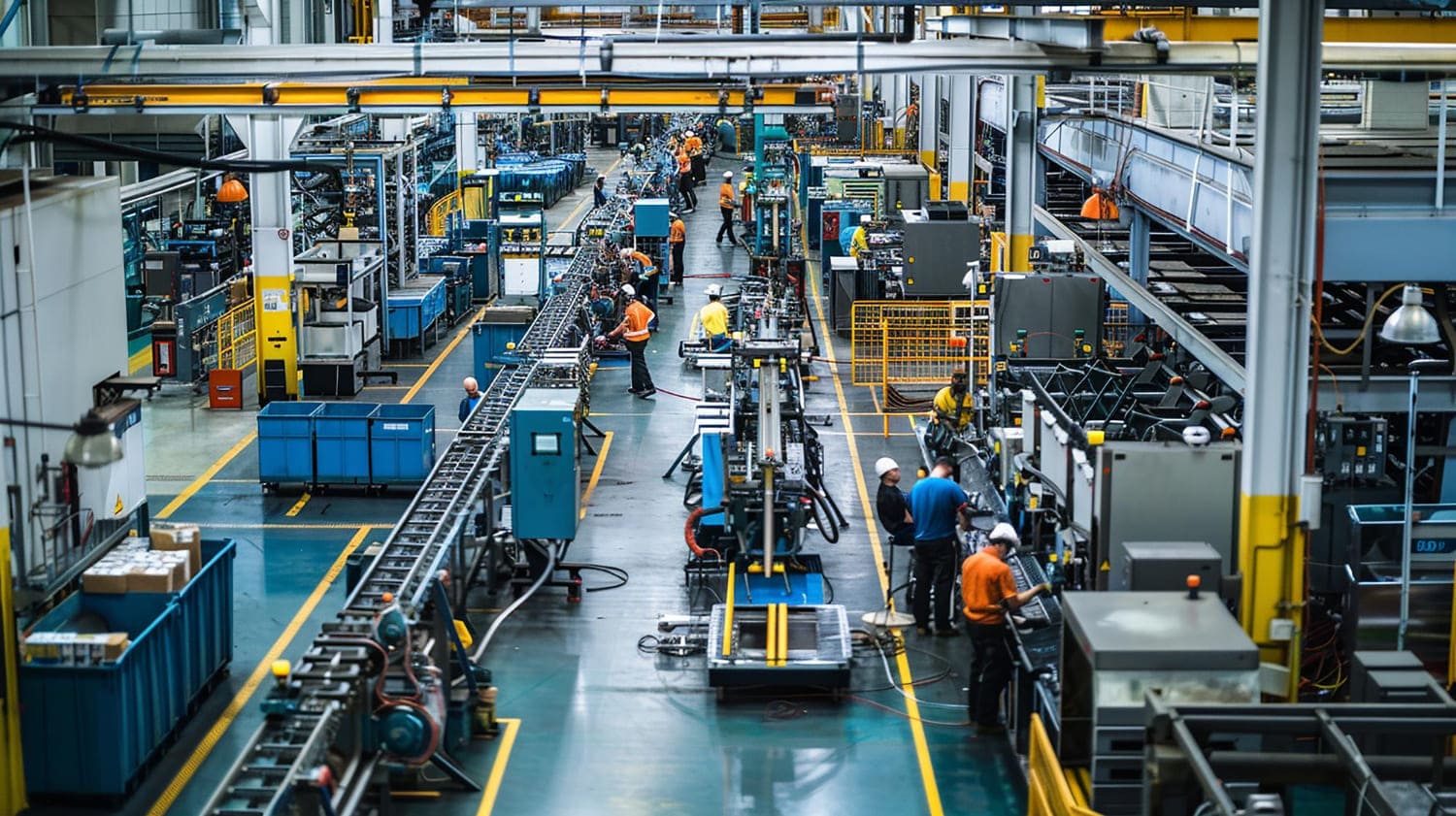
Smart-factory discussions in semiconductor manufacturing usually go beyond automation alone. Buyers often use the term to describe a more connected operating environment where inspection, process visibility, and faster response all work together.
That means the subject is broader than one machine or one inspection method. Readers usually want to understand how production data, process discipline, and line visibility connect across the factory, especially when they are also comparing core topics like wafer inspection in Malaysia and earlier defect response.
Why smart-factory thinking matters
For many buyers, the value of a smart-factory approach is not the label itself. It is whether connected operations actually make decisions faster, reduce blind spots between production steps, and help teams respond with more discipline when something starts to drift.
This makes the page more operations-focused than inspection-specific. The real question is whether the factory can turn information into useful action quickly and consistently, not just whether more systems are digitally connected.
What buyers usually want to see
Most comparisons focus on connected operations, stronger process visibility, and whether the factory can turn inspection feedback into action more quickly. Buyers also want to know whether that visibility actually helps process discipline across the wider line.
In that sense, the subject works as the broadest topic in the wafer cluster. It connects inspection topics with the wider operating environment and explains why visibility matters more when it can influence day-to-day response across the plant.
Why that support angle matters
Not every reader searching around inspection and defect topics is only interested in one tool or one defect class. Some are comparing how inspection fits into larger operational change. The subject helps support that broader path by linking process-control ideas with smart-factory thinking in a more strategic way.
Why connected visibility changes decision quality
In a more connected factory environment, visibility is not useful only because more data exists. It matters because the right people can act with more confidence when inspection feedback, process signals, and operating context are easier to see together. Buyers often care about that difference more than the smart-factory label itself.
That is why connected visibility is such a practical theme in semiconductor operations. It supports faster response, clearer process discipline, and a more stable way of deciding what needs attention first.
How the subject supports the inspection cluster
The other wafer-cluster pages focus on inspection strategy, defect meaning, and feedback timing more directly. The subject supports them by widening the lens. It explains how those inspection signals become more valuable once they sit inside a more connected operating environment.
For readers comparing broader production improvement rather than one inspection method alone, that bigger operational view is often the missing link. It helps explain how visibility and response scale across the whole factory, not just within one tool discussion.
Why the subject keeps appearing in semiconductor discussions
Smart-factory language continues to appear because semiconductor operations depend heavily on visibility, timing, and consistent response. Buyers often return to the subject when they want a broader explanation of how inspection and process information become more useful once they are connected across the wider line.
That makes the topic especially relevant for readers who are comparing operational maturity rather than one tool in isolation. It helps explain how separate improvement areas begin to work together once the factory becomes more connected.
Key points buyers often review
- how connected systems improve factory visibility
- whether process discipline becomes easier to maintain
- how faster response supports semiconductor operations
Looking at those points together gives a clearer picture of how smart-factory thinking supports semiconductor production beyond simple automation language.
How this supports broader factory decisions
For readers comparing wider operational improvement, the subject helps translate inspection and visibility topics into a larger factory context. It shows how separate process signals become more valuable when they are easier to connect and act on together.
That broader view is often what turns smart-factory thinking from a vague concept into a more useful operations discussion. Buyers can then compare whether the factory environment actually supports faster, clearer, and more disciplined decisions.
When that larger view is missing, inspection improvements can remain isolated. When it is present, the same inspection information can support stronger decisions across the wider production environment.
FAQ
What does smart-factory thinking mean in semiconductor manufacturing?
It usually means connecting inspection, visibility, and operational response more closely so teams can make better decisions across the production environment.
Why do buyers compare smart-factory ideas with inspection topics?
They do that because inspection only creates value if the information can move quickly into process decisions, response timing, and broader factory discipline.
Is the subject about automation only?
No. It is more about connected visibility and response across operations than about automation as a stand-alone idea.
Which operations topic is useful to compare next?
The related articles below are useful if you want to connect smart-factory thinking with wafer inspection, AOI, and earlier defect detection.