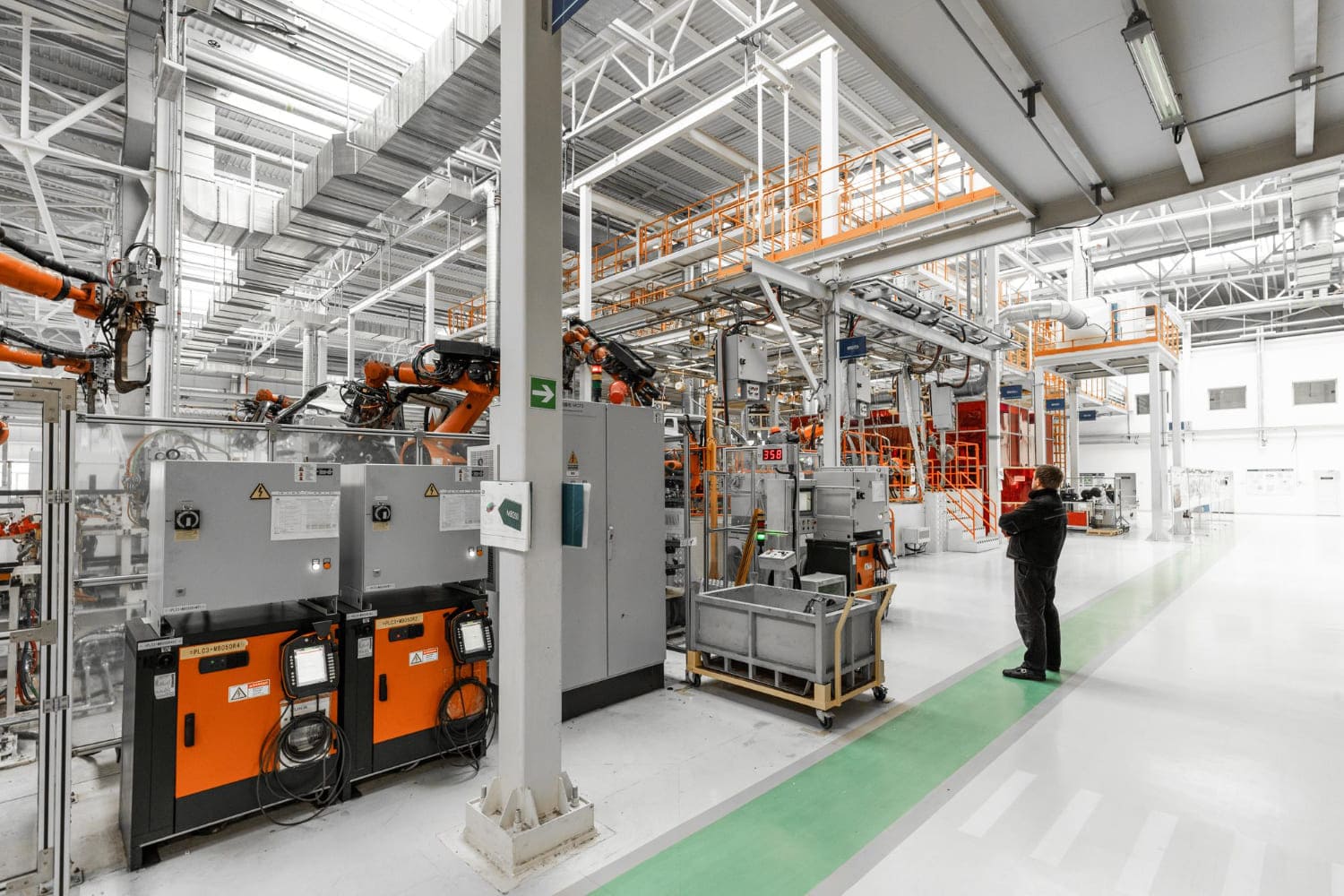
Camlock sandwich panels are often brought into industrial projects when the buyer is not only thinking about insulation, but also about how quickly the room can be assembled and how securely the panel connections can be brought together on site. That makes camlock a practical installation topic as much as a panel topic. In many projects, the attraction is not simply that the panel is insulated. It is that the system may support a faster and more controlled installation route when compared with looser or less coordinated assembly methods.
The subject sits within the wider insulation panels system Malaysia discussion by narrowing the focus to connection method and industrial installation logic. The broader overview looks at the wider panel-system decision, while the subject concentrates on why camlock joints keep appearing in conversations about faster assembly, tighter connections, and more structured panel installation.
Why installation method becomes a major buying factor
Industrial buyers often discover that performance is only one side of the panel decision. The other side is whether the installation route fits the project timeline, room complexity, and construction sequence. Camlock systems stay relevant because they are often associated with a more organised joining approach, which can help buyers feel more confident about installation pace and connection consistency.
That confidence matters in projects where the enclosure needs to come together efficiently without making the rest of the build harder to manage. A panel system that seems suitable in principle can still create pressure if the on-site installation route is slow, awkward, or difficult to coordinate with the broader project schedule.
What buyers usually compare in camlock discussions
Most buyers compare speed of assembly, connection confidence, enclosure tightness, and whether the installation method suits the scale of the industrial room being built. They are often trying to judge how the panels will behave during installation as much as after completion. In that sense, camlock is rarely only a fitting detail. It becomes part of the bigger question of whether the system supports a cleaner and more manageable build process.
This is one reason camlock comparisons often sit close to cold-room panel discussions. Once buyers care about thermal performance and enclosure quality, they usually also care about whether the panel connection method helps protect that performance in the real assembled room.
Why faster installation still needs context
Buyers should still avoid treating speed as the only benefit. Faster installation sounds attractive, but it only becomes valuable when the room also ends up aligned, well connected, and suited to the intended operating environment. That is why the best camlock comparisons still return to the room purpose. A fast panel system only helps when the final enclosure meets the performance and operational needs of the project as well.
For readers who are deciding whether faster assembly should also change panel selection, it can help to compare the subject with where PU insulated panels are commonly applied. That wider application view often clarifies whether the installation method supports the environment the buyer is actually planning.
Where the subject fits in the wider decision
This comparison turns a technical-sounding panel detail into a more practical project question. Instead of asking only what camlock is, buyers can ask why the joining method matters for the room, the schedule, and the final quality of the enclosure.
That broader view matters because installation pace and installation quality do not always move together automatically. Buyers usually get better results when they ask how the connection method supports enclosure accuracy, room performance, and project coordination at the same time. When camlock is understood that way, it becomes easier to judge whether the method genuinely supports the type of industrial build being planned.
In practical terms, that means buyers should compare camlock systems not only by how quickly panels can be joined, but also by how confidently the finished enclosure will come together once site pressure and room complexity are taken into account.
That is usually the point where buyers stop treating installation as a secondary detail. They start reading the joining method as part of the room-performance decision itself, which usually leads to a more grounded panel choice.
FAQ
Why do buyers pay so much attention to camlock panel installation?
Because the joining method can influence assembly speed, connection confidence, and how manageable the enclosure build feels during the wider project.
Is camlock mainly about building faster?
Faster installation is part of the attraction, but buyers also compare how the connection method supports tighter assembly and a more controlled installation result.
Why does installation method matter after panel performance is already known?
Because a strong panel specification can still be weakened by a poor or unsuitable assembly route, so buyers often compare installation logic as part of the same decision.
What is a useful next comparison from here?
Many readers continue into cold-room panel performance or broader PU panel applications to see how connection method and environment fit together.