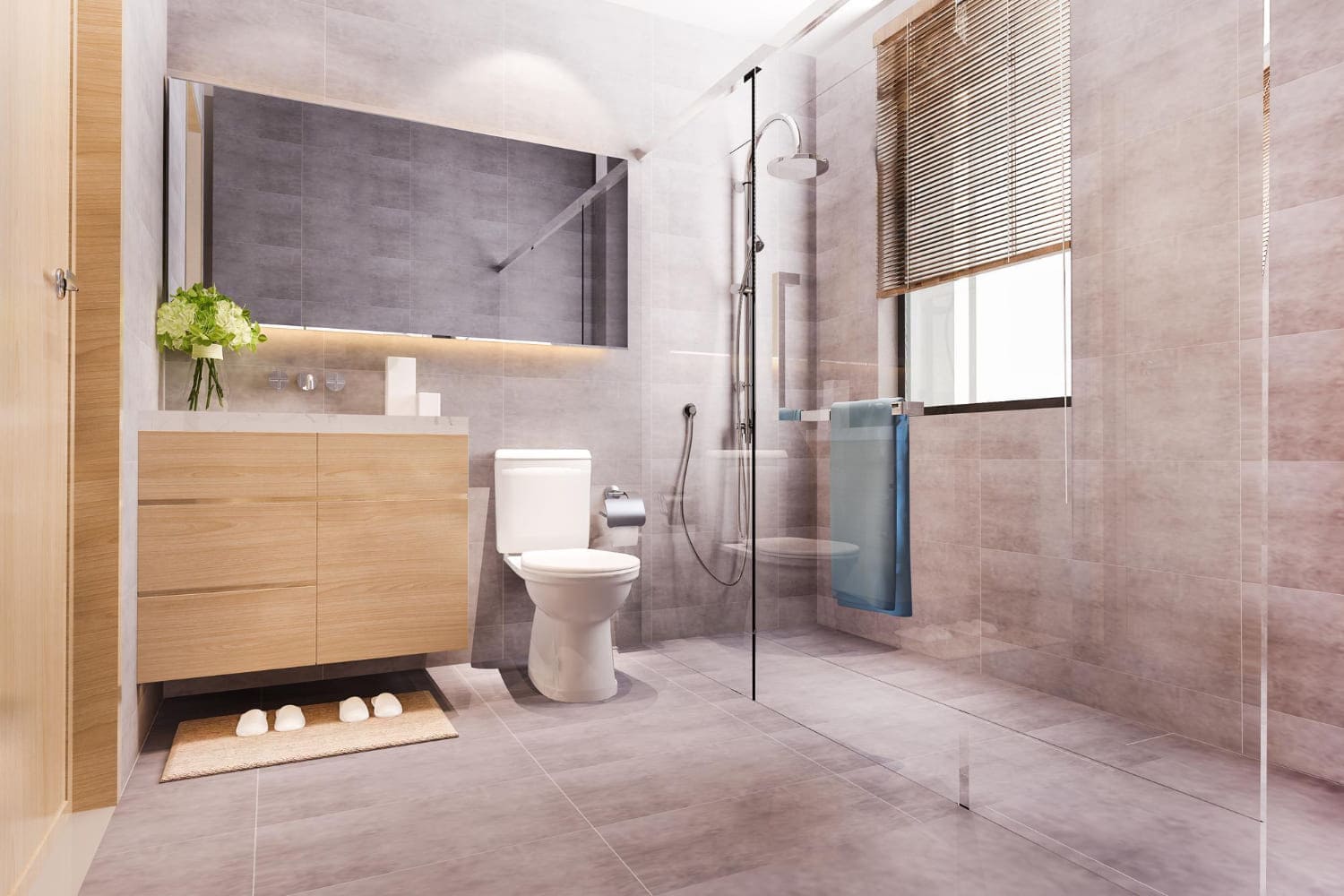
People usually start shopping for a shower mixer by looking at finishes and shapes, but the decision becomes much more practical once the bathroom is in use every day. A mixer affects how quickly the water feels right, how comfortable the controls are with wet hands, how neatly the shower zone comes together, and how easy the fittings are to live with after installation. That is why the best choice is rarely just about what looks nicest in a photo.
In Malaysia, shower mixer decisions often happen during renovation, fitting replacement, or a wider bathroom upgrade. Some buyers are refreshing an older bathroom and want something cleaner without turning the whole space into a major construction job. Others are already changing tiles, wall finishes, and plumbing access, so they have more room to think about concealed options, matching columns, or a more design-led layout. The right answer changes depending on that renovation context.
For readers who want to compare a relevant supplier or product example in more detail, this shower mixer Malaysia page offers a useful reference point.
Why the mixer matters more than many buyers expect
The mixer is one of the fittings people touch most often in the bathroom, so small differences become noticeable very quickly. A handle that feels awkward, a layout that crowds the wall, or a fitting style that clashes with the rest of the space can keep bothering the user long after the renovation is done. By contrast, a well-chosen mixer tends to disappear into daily life in a good way. It feels easy to use, looks right in the room, and supports the shower setup instead of fighting it.
That is why buyers usually get better results when they think beyond the product photo. The real question is how the mixer will behave in the actual bathroom: who uses it, how often the shower is used, whether the household values tighter temperature control, and how much maintenance access matters after installation.
What usually narrows the decision
Most buyers narrow the choice through a few practical comparisons. The first is control style: some households prefer the familiarity of a simple manual arrangement, while others want steadier temperature behaviour. The second is installation direction: an exposed fitting can be simpler to access, while a concealed arrangement often looks cleaner when the bathroom is already being rebuilt. The third is coordination: the mixer needs to feel right with the shower column, hand shower, trims, and the overall visual weight of the space.
That is why many readers move from the main shower mixer topic into more specific comparisons such as thermostatic versus single-lever control, wall-mounted versus concealed installation, and choosing the right shower column. Each one helps with a narrower decision, but the main mixer question still comes first because it sets the direction for the whole shower zone.
Why bathroom planning changes the best answer
A mixer that makes sense in a quick fitting replacement may not be the same mixer that makes sense in a full renovation. If the wall is not being opened, simpler routes often stay attractive. If the whole shower area is already being rebuilt, then buyers can think more freely about cleaner integration, matching finishes, and how the fittings work together as one scheme. In other words, the best mixer is usually tied to the state of the bathroom, not just the product category.
That is also why the mixer often becomes the anchor decision in the shower area. Once it is chosen, it becomes easier to judge the shower column, visible fitting style, and whether the space should feel minimal, practical, or more premium. The mixer is not the only fitting in the bathroom, but it often sets the tone for the rest of the shower setup.
Key points worth comparing
- how the control style feels in real daily use
- whether the installation direction fits the renovation scope
- how well the mixer works with the wider shower fittings and bathroom look
Those points usually lead to a better result than choosing only by finish or showroom appearance.
FAQ
What does a shower mixer affect besides water control?
It also affects comfort, ease of use, the look of the shower area, and how coordinated the fittings feel once the bathroom is finished.
Why do buyers compare exposed and concealed options so closely?
Because the installation method changes both the look of the wall and the amount of work needed during renovation.
Is a shower mixer mainly a design choice?
No. Design matters, but daily use, maintenance access, and control comfort usually matter just as much.
What is the next useful comparison after this?
Most buyers then compare control types, installation style, and how the mixer works with the shower column and wider renovation plan.